
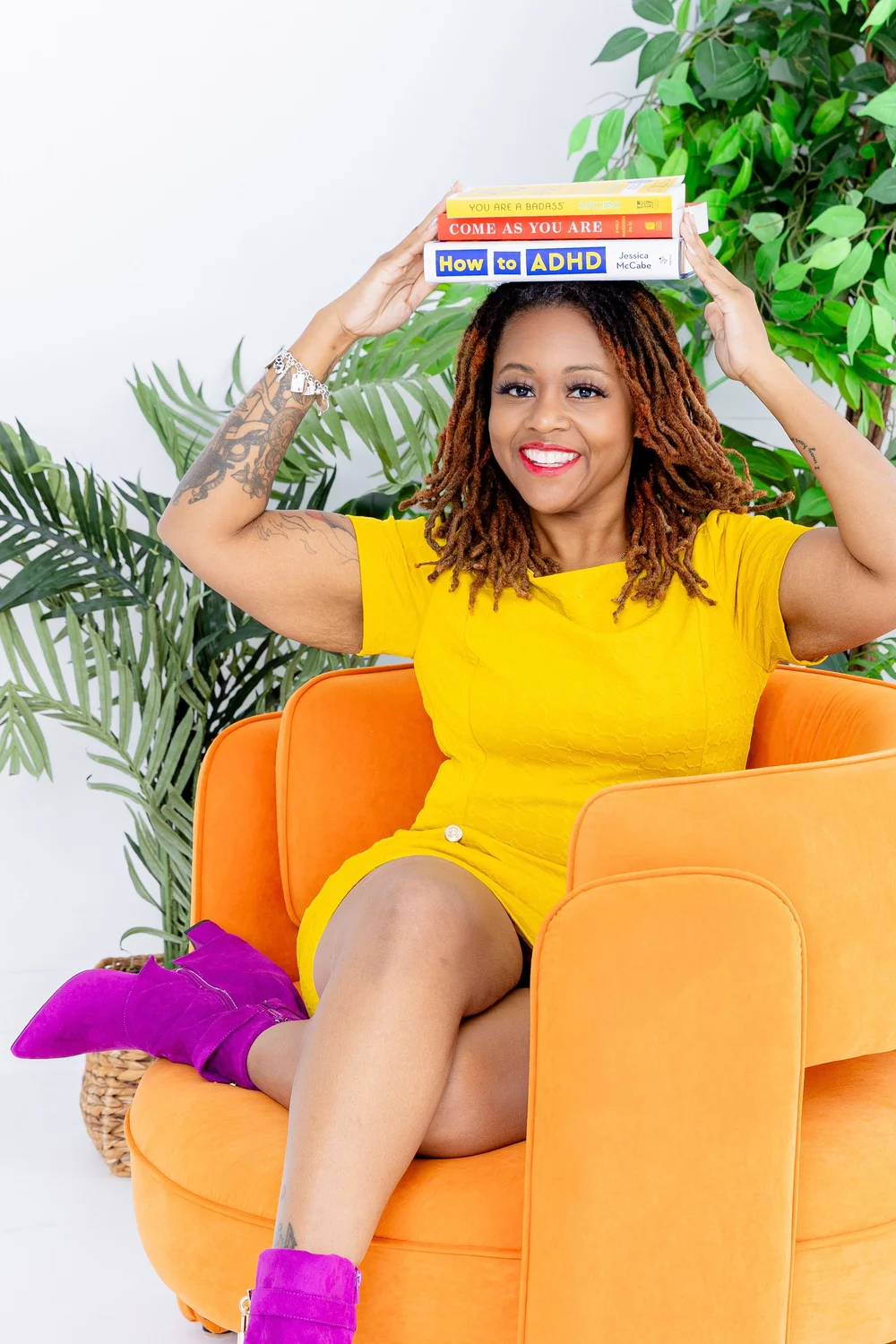
Bring a Different Conversation to Your Next Event. Dr. Kayla Smith, PhD, LCSW, LICSW · Founder of Helen's Project · Clinical Social Worker | Speaker | Educator
Invite Dr. Kayla Smith to challenge assumptions, connect clinical knowledge with lived experience, and help your audience turn insight into action.
Clinical Knowledge. Cultural Understanding.
Conversations That Change Practice.
Dr. Smith's sessions sound like an experienced clinician, educator, and founder — not a slide deck. Every talk connects evidence, culture, and the realities of practice so your audience leaves with something they can use on Monday.
Culturally responsive care
Beyond the buzzwords: cultural humility, stigma, structural barriers, and how to translate awareness into clinical action.
DSM-5-TR & clinical diagnosis
Diagnostic reasoning, differential diagnosis, cultural context in assessment, and avoiding diagnostic bias.
Trauma-informed practice
Trauma as a systems issue — and trauma-informed care as clinical practice and social action.
Mental health systems & access
Cross-system collaboration, warm handoffs, community-based care, and nonprofit models that keep people connected to care.
Speaking & training formats
Most topics can be scaled from a 45-minute breakout to a half-day training. Formats and CE eligibility are confirmed per engagement.
Sessions built from real practice
Each topic below is grounded in material Dr. Smith has developed and presented. Open a topic for objectives, formats, and related courses — then book it with the topic already selected.
Culturally Responsive Care Beyond the Buzzwords
From awareness to clinical action
Everyone says "culturally responsive." Fewer can show what it changes in an intake, a diagnosis, a treatment plan, or a supervision hour. This session moves past the vocabulary to the practice: cultural humility as a clinical skill, how cultural context shapes symptom presentation and interpretation, the structural barriers and stigma that keep people from care, and what equity actually requires of a mental health system. Participants leave with language, tools, and decisions they can use immediately.
Learning outcomes & related sessions
Participants will be able to
- Identify how trauma-informed principles can advance both clinical practice and social justice.
- Apply culturally responsive strategies that reduce stigma and enhance engagement with diverse populations.
- Recognize how cultural context, systemic barriers, and provider communication shape symptom interpretation and early disengagement.
- Translate micro-level client care into mezzo- and macro-level advocacy addressing systemic inequities.
Built from
Breaking Barriers: Trauma-Informed, Culturally Responsive Care as Social Action (NASW-Washington 2026 Conference) · Weaving Equity into Every Session: Practical Tools for Inclusive Mental Health Practice (WMHCA 2026 Conference, 2-hour CE workshop) · Reducing Stigma & Drop-Off in Culturally Responsive Care (Healthy Futures of Texas 15th Annual Symposium, 90-minute workshop).
The DSM-5-TR in Real Life
Diagnosis, Culture & Clinical Judgment
Diagnostic criteria are the beginning of clinical reasoning, not the end of it. This training teaches clinicians to use the DSM-5-TR the way it is meant to be used: reading diagnostic features and differential diagnosis in full, weighing cultural context and trauma history in assessment, naming and avoiding diagnostic bias, and documenting the reasoning behind a diagnosis — then translating it into practical treatment decisions.
What's covered & the related course
Core content
- How the manual is organized and how diagnostic criteria actually work
- Diagnostic features, differential diagnosis, and ruling conditions in or out
- Cultural context in assessment and the cultural formulation
- Trauma and symptom presentation — what looks like one thing and is another
- Avoiding assumptions and diagnostic bias
- Documenting clinical reasoning and translating diagnosis into treatment planning
Related course
Getting to Know Your DSM — Dr. Smith's beginner-level, 3-day live virtual introduction to the DSM-5-TR (2 hours per day), most recently delivered November 9–11, 2026, with an optional 1-on-1 clinical consultation add-on. See the course →
Bridging the Gaps
Cross-System Collaboration to Strengthen Outcomes for Youth and Families
Children and families in child welfare navigate mental health, schools, juvenile justice, medical providers, and community organizations at the same time — and those systems rarely talk to each other. This interactive workshop introduces a practical, trauma-informed, culturally responsive model for cross-system collaboration: identifying system gaps, establishing shared roles and responsibilities, warm-handoff communication, interagency information-sharing that respects confidentiality, and sustainable collaborative workflows.
Learning objectives & tools
Participants will
- Identify structural gaps between child-serving systems and analyze how these gaps impact safety, permanency, and well-being.
- Learn trauma-informed, culturally responsive strategies to improve communication, warm handoffs, and joint case planning across agencies.
- Apply a practical cross-system collaboration model — with tools, templates, and workflow maps — that can be implemented immediately.
Take-home tools
Cross-system planning template · rapid-response communication guide · warm-handoff script · role and responsibility mapping template · collaborative case-review steps.
Related session
From Silos to Systems: Practical Cross-Sector Strategies That Strengthen Youth Outcomes — the 45-minute version presented at the Texas Network of Youth Services (TNOYS) 43rd Annual Conference, 2026.
Trauma-Informed Care as Social Action
Breaking barriers between the clinic and the community
Trauma does not happen in a vacuum, and neither does healing. This session explores the intersection of trauma-informed care, cultural responsiveness, and social justice: how systemic inequity, stigma, and economic barriers shape who gets care and what kind, and how everyday clinical encounters can become opportunities for advocacy, empowerment, and organizational change. Case studies from Helen's Project show what it looks like when individual care is connected to the systems around it.
Learning objectives
- Demonstrate how trauma-informed, culturally responsive care can serve as both effective clinical practice and social action.
- Equip participants with strategies to reduce barriers to mental health care for diverse populations.
- Connect micro-level therapeutic skills to mezzo- and macro-level advocacy and organizational change.
Presented as Breaking Barriers: Trauma-Informed, Culturally Responsive Care as Social Action at the NASW-Washington 2026 Conference and delivered as a 3-hour NASW-WA health-equity CE webinar in October 2026.
Mental Health Access & Systems Innovation
Building care people can actually reach
What does it take to build a behavioral health organization that serves the people other systems miss? Drawing on a decade of founding and scaling Helen's Project — donation-based therapy, telehealth across multiple states, community-rooted outreach, and cross-sector partnerships — Dr. Smith shares the design decisions, failures, and workflows behind accessible, sustainable, community-based care, and how clinicians and leaders can apply them.
Themes & related sessions
- Accessible behavioral healthcare and sliding-scale, pay-it-forward models
- Telehealth access for rural and underserved communities
- Community-based care and continuity of care across systems
- Sustainable nonprofit models and cross-sector partnerships
Related session available on request: Leading with Purpose: Innovative Solutions & Cross-Systems Collaboration for Nonprofit Success.
Clinical Leadership & Workforce Development
Supervision that grows clinicians — and keeps them
Supervision is where professional values become operational practice. This session examines power in the supervisory relationship (racial, cultural, and hierarchical), evidence-informed supervision in high-pressure settings, supporting developing clinicians without deskilling them, and building responsive clinical teams that people want to stay on. An extended 3-hour version can also cover the emerging role — and risks — of AI tools in clinical documentation and supervision.
Objectives & related session
- Identify forms of power that shape the supervisory relationship and strategies for rupture and repair.
- Apply practical, equity-informed supervision strategies for developing clinicians.
- Evaluate emerging AI tools in documentation and supervision, including bias, confidentiality, and over-reliance.
Draws on Dr. Smith's work leading Helen's Project's clinical supervision program for associate clinicians and counseling interns.
More sessions available on request
Want this training for your team?
Bring the learning experience directly to your organization. Ask about scheduling a live virtual or in-person session with Dr. Kayla Smith — or enroll in a self-paced course today.
Human Trafficking Awareness & Trauma-Informed Care
Five modules on definitions and law, identification, trauma impacts, survivor-centered support, and reporting — with a post-test and emailed certificate. $40 self-paced, or delivered live for your team.
Getting to Know Your DSM
A 3-day introduction to the DSM-5-TR (2 hours per day): how the manual is organized, how criteria work, differential diagnosis, cultural considerations, and documenting your reasoning. Optional 1-on-1 clinical consultation add-on.
Access-Informed Addiction Care for Marginalized Communities
Challenge assumptions, examine barriers, and build practical tools for more accessible addiction care systems — paired with a 35-page clinical workbook your team keeps.
Continuing-education credit for custom live sessions depends on the delivery format, your state board, and the approving provider — CE eligibility, credit hours, attendance requirements, and certificates are confirmed for each engagement before it is scheduled.
Conference & training experience
Dr. Smith presents for state and regional professional associations, behavioral-health and youth-services conferences, and organizations across Texas and nationally. Recent sessions include:
- Oct 2026NASW-Washington Professional Development Webinar · VirtualBreaking Barriers: Trauma-Informed, Culturally Responsive Care as Social Action (3-hour health-equity CE webinar)
- Jun 2026Texas Network of Youth Services (TNOYS) 43rd Annual Conference · Austin, TXFrom Silos to Systems: Practical Cross-Sector Strategies That Strengthen Youth Outcomes
- May 2026Washington Mental Health Counselors Association (WMHCA) Inaugural Conference · SeaTac, WAWeaving Equity into Every Session: Practical Tools for Inclusive Mental Health Practice (2-hour CE workshop)
- Apr 2026Healthy Futures of Texas 15th Annual Symposium · Round Rock, TXReducing Stigma & Drop-Off in Culturally Responsive Care (90-minute workshop)
- Mar 2026NASW-Washington 2026 Conference · Vancouver, WABreaking Barriers: Trauma-Informed, Culturally Responsive Care as Social Action
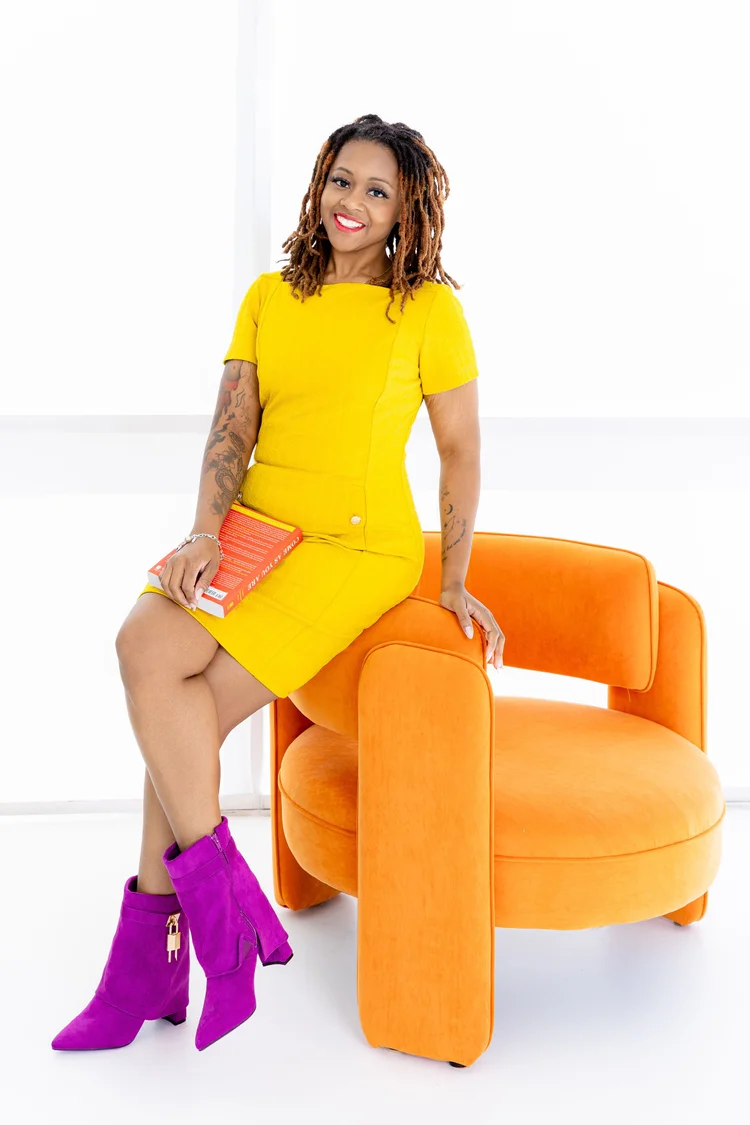



Meet Dr. Kayla Smith
Founder of Helen's Project, Licensed Clinical Social Worker, clinical supervisor, CE instructor, and author. More than a decade of clinical and community-based practice informs every session she gives.
Book Dr. Kayla Smith
Tell us about your event, training need, or organization. We'll confirm availability, format, and any continuing-education details, usually within a few business days.
Looking for therapy instead? Book a session with Dr. Smith or browse all providers.